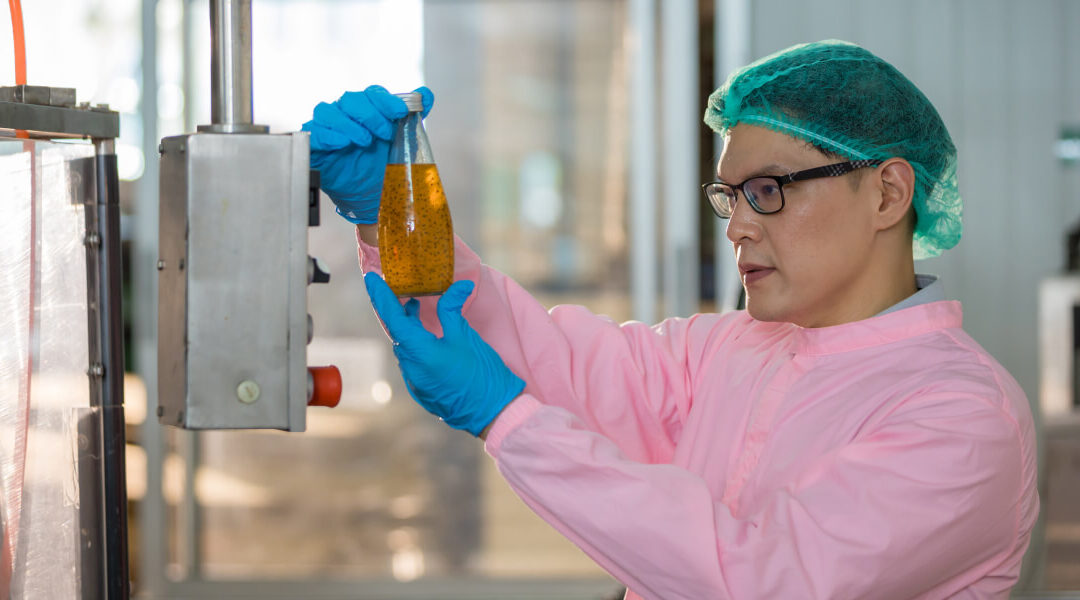
Food and Beverage manufacturers incorporate a Food Safety Management system called HACCP (Hazard Analysis Critical Control Point) which is designed to improve the food safety across all steps of food from farm to fork which in turns provide the Food and Beverage...
Mono and diglycerides (commonly known by the additive code E471) are widely used in the food industry as emulsifiers. For Muslim consumers and food manufacturers, an important question arises: are mono- and diglycerides halal? The short answer is that these additives...
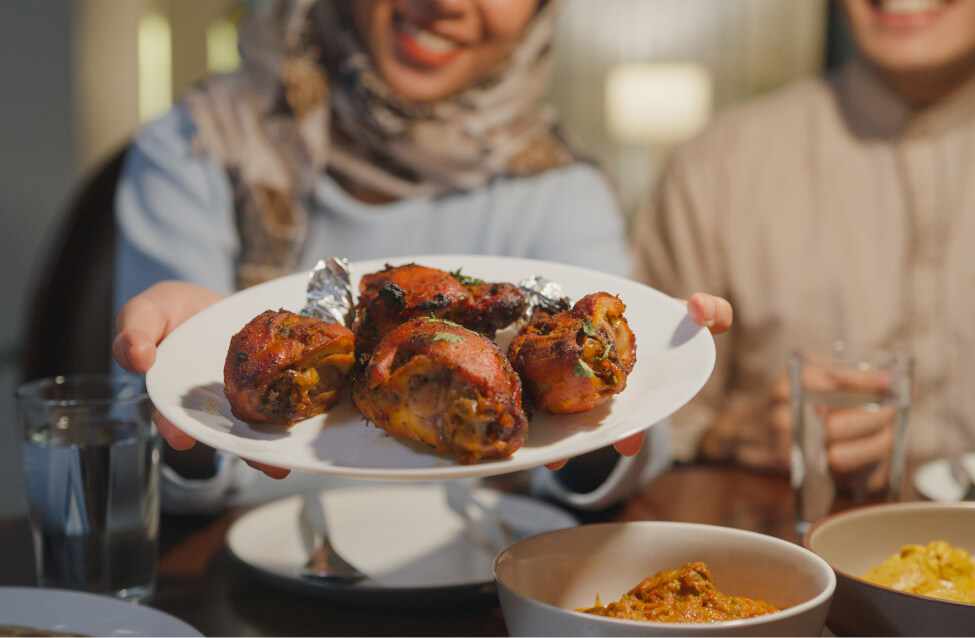
The demand for halal products is growing rapidly all over the world. These products cover much more than simply food and drinks. Today halal certification spans cosmetics, medicines, food supplements and even packaging. The growing demand is due to the increase in the...
You may have a basic understanding of halal food, but determining what makes a food halal requires a more technical examination. Ensuring food is halal (permissible under Islamic dietary laws) requires a comprehensive approach that encompasses ingredient selection,...
Acquiring food and beverage certifications in Canada will enable manufacturers to significantly expand their market reach, attract new customers, and comply with export standards. These certifications ensure that food & beverage products meet safety,...
Halal and kosher are dietary laws in Islam and Judaism, respectively, that guide what adherents can consume and how food must be prepared. While both systems focus on cleanliness, humane treatment of animals, and a connection to faith, they differ significantly...